Be yourself; Everyone else is already taken.
— Oscar Wilde.
This is the first post on my new blog. I’m just getting this new blog going, so stay tuned for more. Subscribe below to get notified when I post new updates.
Be yourself; Everyone else is already taken.
— Oscar Wilde.
This is the first post on my new blog. I’m just getting this new blog going, so stay tuned for more. Subscribe below to get notified when I post new updates.
Link to YouTube video : https://youtu.be/9eFXzaGTcdc
Question 2.1:
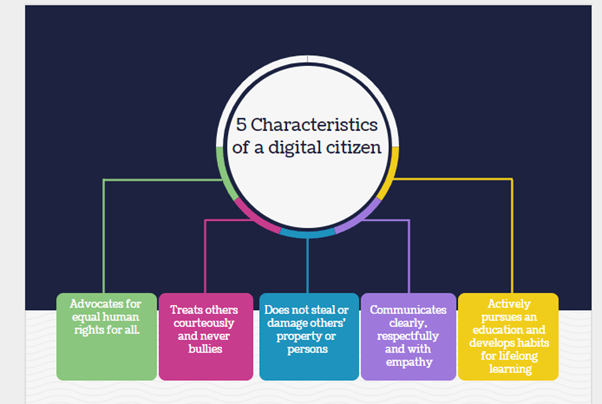
https://infograph.venngage.com/edit/adb14dbb-4304-4a4e-9af4-b8452db3398f
Question 2.2
A digital footprint is a trail left by an entity’s interactions in
a digital environment; including their usage of TV, mobile
phone, internet and world wide web, mobile web and
other devices and sensors. Digital footprints provide data on what an entity
has performed in the digital environment; and are valuable in
assisting behavioural targeting, personalisation, targeted
marketing, digital reputation, and other social
media or social graphing services. (Vivint, 2019)
Question 1:
Question 1.2:
Platforms can help increase social capital by
communication, they could be an advantage to a person that knows how to sell a
product and communicate effectively. Being respected through your communication
with others online can build social capital which makes it easier to sell a
product because the connection has been created. These platforms can help
create a bond with the customer, trust, and safety, and could give them citizen
power among the online citizens. (Sites.google.com, 2019)
Question 1.3
https://www.linkedin.com/in/alan-alho-915148194/
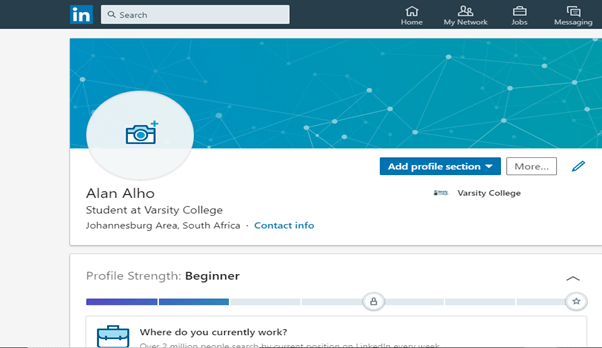
In my neighborhood, Elsburg, Germiston the digital divide is up to standard in terms of infrastructure/ facilities as well as provision of services. The infrastructure like hospitals and schools are quite good and the internet is quite good too.
Just last week we were notified about Telkom installing new lines in the area which will allow us to have access to faster and more reliable internet speeds which will benefit the community in a good way.
Elsburg is a neighborhood that is not the wealthiest but has the requirements to be up there with the rest in terms of infrastructure, hospitals, schools and even shops for the community to get their needs and wants
To conclude the information stated, the area is well maintained overall with just a few aspects that can be improved.
Alan Alho – 19014025
This is an example post, originally published as part of Blogging University. Enroll in one of our ten programs, and start your blog right.
You’re going to publish a post today. Don’t worry about how your blog looks. Don’t worry if you haven’t given it a name yet, or you’re feeling overwhelmed. Just click the “New Post” button, and tell us why you’re here.
Why do this?
The post can be short or long, a personal intro to your life or a bloggy mission statement, a manifesto for the future or a simple outline of your the types of things you hope to publish.
To help you get started, here are a few questions:
You’re not locked into any of this; one of the wonderful things about blogs is how they constantly evolve as we learn, grow, and interact with one another — but it’s good to know where and why you started, and articulating your goals may just give you a few other post ideas.
Can’t think how to get started? Just write the first thing that pops into your head. Anne Lamott, author of a book on writing we love, says that you need to give yourself permission to write a “crappy first draft”. Anne makes a great point — just start writing, and worry about editing it later.
When you’re ready to publish, give your post three to five tags that describe your blog’s focus — writing, photography, fiction, parenting, food, cars, movies, sports, whatever. These tags will help others who care about your topics find you in the Reader. Make sure one of the tags is “zerotohero,” so other new bloggers can find you, too.

 19014025 DIGC