Question 1:
- Digital Access – “The full electronic participation in society” (The IIE, DIGC5110. 2015: p.20)
- Digital Commerce – Enables customers to purchase goods/services through a self service channel. (The IIE, DIGC5110. 2015: p.143)
- Digital Communication – The electronic exchange of information such as email, internet and social media. (The IIE, DIGC5110. 2015: p.55-59)
- Digital Literacy – Ability to know how websites, computers, internet and search engines work. (The IIE, DIGC5110. 2015: p.34-35)
- Digital Etiquette – Basic set of principles relating to behaviour that needs to be adhered to in internet world. (The IIE, DIGC5110. 2015: p.78)
- Digital Law – Electronic responsibility for the actions of someone which can be ethical/unethical such as privacy and copy right. (The IIE, DIGC5110. 2015: p.96-97)
- Digital Rights & Responsibilities – We have the right to freedom of expression, privacy on all different types of online networks and the responsibility to respect other people online. (The IIE, DIGC5110. 2015: p.87)
- Digital Health and Wellness – Is the psychological and physical impacts in the technological world which include eye strain, blurred vision and cyber bullying. (The IIE, DIGC5110. 2015: p.131)
- Digital Security – Enables the ability to use information systems at one’s own safety without any disruption or interference (The IIE, DIGC5110. 2015: p.113)
Question 1.2:
Platforms can help increase social capital by
communication, they could be an advantage to a person that knows how to sell a
product and communicate effectively. Being respected through your communication
with others online can build social capital which makes it easier to sell a
product because the connection has been created. These platforms can help
create a bond with the customer, trust, and safety, and could give them citizen
power among the online citizens. (Sites.google.com, 2019)
Question 1.3
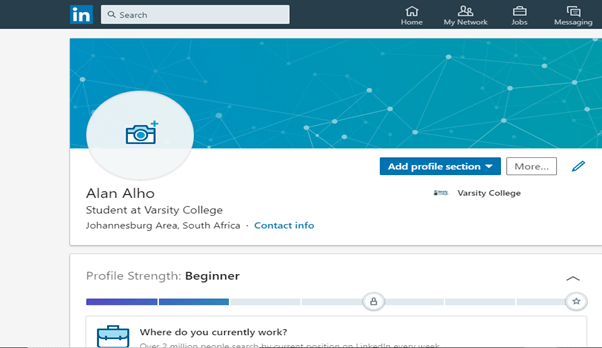
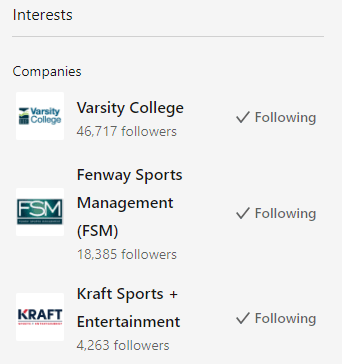
https://www.linkedin.com/in/alan-alho-915148194/